
Water & Pipe Emergency
Burst Pipe? Shut Off Your Water Right Now.
An active water leak or burst pipe can flood a room in minutes. The single most important thing you can do is cut off the water supply. Here's how — and what to do next.
Do This Right Now
- 1Turn off the main water shut-off valve — usually near the meter at the street or where the line enters the house
- 2Turn off the water heater to prevent damage to an empty tank
- 3Open faucets to drain remaining water from the pipes
What's Going On
Understanding the Problem
A burst or leaking pipe means water is escaping the plumbing system and entering your home's structure. Even a slow leak inside a wall can cause thousands of dollars in damage, mold growth, and structural deterioration over weeks. A burst pipe can dump dozens of gallons per minute. In Houston, pipe failures happen year-round — from freeze events in winter to corrosion in older homes to water hammer in high-pressure systems — and the slab foundation construction of most Houston homes means pipes are often inaccessible without saw cutting concrete.
Diagnosis
Common Causes
1Freeze damage (winter storm events)
Houston's water infrastructure and residential plumbing are not built for sustained freezing temperatures. When a hard freeze hits — as it did during the February 2021 winter storm — water inside pipes freezes and expands, cracking copper, PEX, or CPVC pipe from the inside. The pipe typically holds pressure while frozen but bursts catastrophically when it thaws. Pipes in exterior walls, attics, and garages are most vulnerable because they lack insulation.
2Corrosion in aging copper or galvanized steel pipes
Houston's hard, chloraminated water is tough on older plumbing. Copper pipes installed before the 1990s can develop pinhole leaks from pitting corrosion — a reaction between chloramines in Houston's water supply and the copper itself. Galvanized steel pipes from even older homes rust from the inside out, eventually failing at joints or thin spots. These leaks often start small and go undetected inside walls for months.
3High water pressure
Normal residential water pressure is 40–80 PSI. Houston's municipal supply can run higher, and pressure fluctuates throughout the day. Sustained high pressure stresses pipe joints, fittings, and appliance supply lines. A pressure-reducing valve (PRV) is designed to keep household pressure in a safe range; when the PRV fails, pressure spikes can cause supply lines under sinks and behind toilets to burst suddenly.
4Water hammer
Water hammer is the shudder or bang you hear in pipes when a valve closes suddenly — like when a washing machine or dishwasher solenoid valve snaps shut. Over time, the repeated hydraulic shock weakens pipe joints and fittings. If you hear banging in your walls when appliances shut off, you likely have water hammer. This can eventually cause a fitting or connection to fail.
5Tree root damage and soil movement
Houston's expansive clay soil shifts significantly with seasonal moisture changes. This movement stresses underground supply lines running into the home, particularly older galvanized or copper lines. Tree roots can also breach older pipes or wrap around supply lines, causing damage over time. A wet spot in the yard that doesn't dry up, or a noticeable drop in water pressure, can indicate an underground supply line failure.
6Physical damage or accidental puncture
Pipes buried in walls or slabs can be punctured during renovation work, when driving fasteners into walls or floors, or during foundation repair work that involves drilling or saw cutting through the slab. In slab construction homes, water supply lines are sometimes run through the slab itself, making them completely inaccessible without concrete cutting.
DIY Troubleshooting
What You Can Try
Shut off the main water valve to your home immediately
This is the first and most critical step. In Houston homes, the main shutoff is almost always located near the water meter — typically in the front yard, by the street, inside a small in-ground box with a green or black lid. You may need a meter key or a pair of pliers to turn it. Turn it clockwise to close. If you cannot reach or operate the street shutoff, you can also turn off the water at the meter box using the city's shutoff. Do not wait to find the leak first — shut off the water, then investigate.
Turn off your water heater
If you've shut off the main water supply, turn off your water heater as well. A gas water heater should be turned to the 'Pilot' setting. An electric water heater should be switched off at the breaker. Running a water heater without water flowing into it can damage the heating element or cause the tank to overheat.
Open a faucet to relieve pressure in the lines
After shutting off the main, open a faucet at a low point in the house (a hose bib outside or a first-floor faucet) to drain remaining water out of the lines and relieve pressure. This slows and eventually stops the flow of water from the leak location.
Locate and document the leak
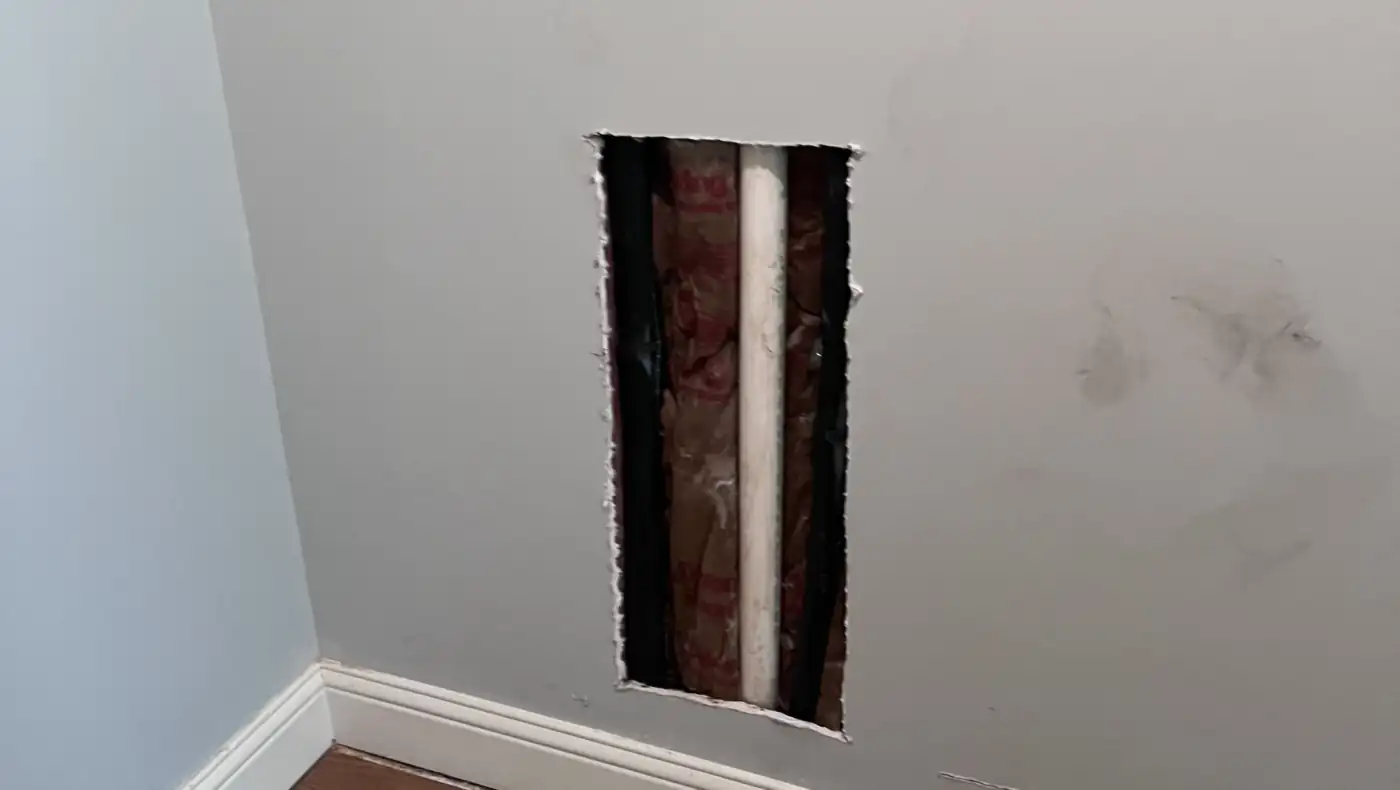
Once the water is shut off, try to locate where the water is coming from. Look for water stains on walls or ceilings, bubbling paint, wet insulation in the attic, or puddling on the floor. Take photos before you clean anything up — this is important for insurance documentation. Note where the leak appears to be located but do not attempt to open walls yourself.
Apply a temporary patch if the pipe is accessible and you must restore water briefly
Pipe repair clamps (available at hardware stores) can temporarily stop a leak on an accessible pipe — this is strictly a short-term measure. Wrap the area with a rubber gasket and tighten the clamp over it. Do not use plumber's tape or duct tape as a leak repair — they won't hold under pressure. This buys time but is not a permanent fix.
Know When to Call
When to Call a Pro
Call ARG Plumbing at (832) 419-3411 immediately for any burst or actively leaking pipe. Do not restore water to the house until the repair is made — even a slow leak inside a wall causes mold within 24–48 hours in Houston's humidity. For freeze-related failures during a winter storm event, call early — demand for plumbers spikes dramatically and wait times increase; the sooner you're on the schedule, the better.
Pro Tip
Every adult in your household should know exactly where the main water shutoff is and be able to operate it without your help. Walk your family to the meter box, show them how it works, and put the meter key on a hook near your front door. In a burst pipe situation, every minute the water runs freely is hundreds of dollars in additional damage. The homeowners who fare best in a pipe emergency are the ones whose spouse or kid knew where to go before the plumber even arrived.
Further Reading
- Burst Pipe Repair Cost in Houston
Typical Houston price ranges for burst pipe repair, so you know what a fair quote looks like once the water is off.
callhtx.com

Hristo
Master Plumber · ARG Plumbing