
Plumbing Troubleshooting
Slab Leak Warning Signs Every Houston Homeowner Should Know.
Houston's clay soil makes slab leaks more common here than almost anywhere in the country. Catching them early is the difference between a repair and a structural remediation project.
What's Going On
Understanding the Problem
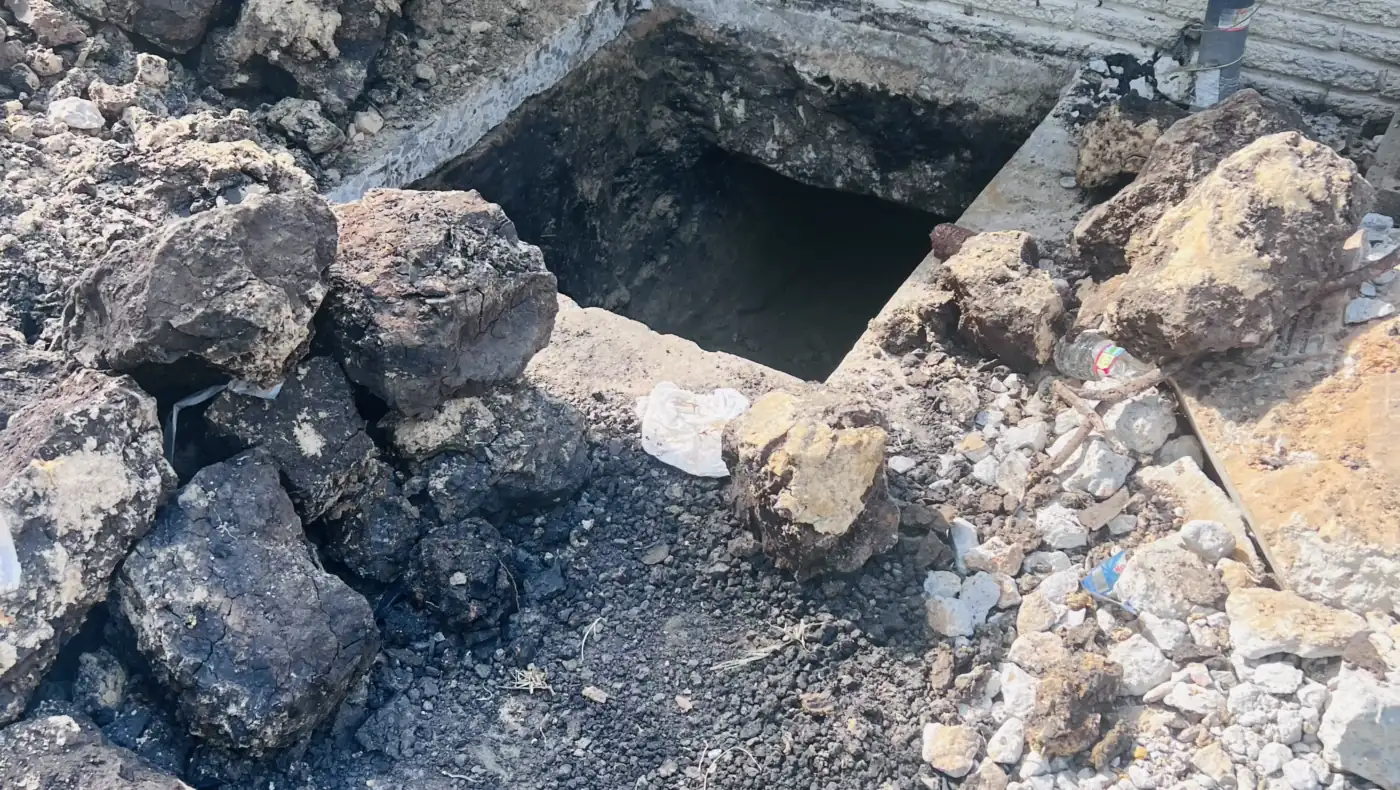
A slab leak is a water leak that occurs in the pipes running beneath or through the concrete foundation slab of your home. The vast majority of Houston homes are built on slab foundations, and many of those have copper water supply lines or cast iron drain lines embedded in or under the concrete. When those pipes develop pinhole leaks or cracks, water seeps into the concrete, the soil beneath, and eventually into the living space. What makes slab leaks particularly destructive is that they often go undetected for months — the water isn't visible until significant damage has occurred. Houston's highly expansive clay soil compounds the problem: water under the slab softens the clay, causing differential settlement and foundation movement that can crack walls, door frames, and the slab itself.
Diagnosis
Common Causes
1Pinhole corrosion in copper supply lines
The most common cause of slab leaks in Houston is pitting corrosion in copper pipes embedded in or under the slab. Houston's water supply uses chloramines for disinfection, and the combination of chloraminated water, soil chemistry, and stray electrical current can cause accelerated pitting in copper pipes. Pinhole leaks start tiny but expand over time. Because the pipe is in concrete, there's no way to see the leak directly — you only notice the downstream effects.
2Abrasion from concrete contact
Pipes embedded in concrete are in direct contact with the slab. As the slab shifts with Houston's seasonal soil movement, the pipe rubs against the concrete. Over years, this abrasion wears through the pipe wall, especially at points where the pipe passes through a sleeve or fitting in the concrete. The areas where pipe size changes or where elbows exist are particularly vulnerable.
3High water pressure
Sustained water pressure above 80 PSI accelerates the rate at which small pipe defects become leaks. Houston's municipal supply can run high, and homes without a properly functioning pressure-reducing valve may be running at pressure that stresses every joint and fitting in the system — including those buried in the slab.
4Soil movement and foundation settlement
Houston sits on some of the most expansive clay soil in the country. During dry periods, the clay shrinks; during wet periods, it expands — by as much as several inches in severe cases. This cyclic movement shifts the slab, which in turn puts lateral stress on the pipes embedded in it. A pipe that ran through the slab without incident for 30 years can develop a crack when a particularly dry summer followed by a wet fall causes significant soil movement.
5Original construction quality
In homes built during the post-WWII construction boom through the 1970s, pipe quality and installation standards were inconsistent. Copper pipes were sometimes laid directly in concrete without adequate protection, with joints made inside the slab rather than in accessible locations, and without consideration for soil movement. These original installations are now reaching the end of their expected service life.
DIY Troubleshooting
What You Can Try
Monitor your water meter for unexplained usage
The most definitive DIY test for a slab leak: note your water meter reading before bed, don't use any water overnight, and check the reading in the morning. If the meter has moved without any water usage, you have a leak somewhere in the system. This doesn't confirm it's a slab leak specifically, but it tells you water is escaping the system.
Check your water bills for a trend
Pull up your last 6 months of water bills and look for a trend of gradually increasing consumption without a change in household water habits. A slab leak that starts as a pinhole can grow slowly, and the increasing water bill is often the first and only symptom for months. A 20–30% increase in consumption without explanation warrants a leak investigation.
Walk your floors barefoot and feel for warm or damp spots
Hot water supply line slab leaks create warm spots on tile or hardwood floors — often the first physical symptom noticed. Walk the entire floor barefoot, paying attention to areas that feel noticeably warmer than the surrounding floor. Cold water leaks won't produce warm spots, but may produce damp patches on carpet or slight swelling of hardwood flooring.
Look for new cracks in walls, tile grout, or door frames
Foundation movement caused by water under the slab often manifests as cracks in the drywall — particularly diagonal cracks above door and window corners — or as doors and windows that suddenly stick or won't close properly. New cracks that appear without any obvious cause, or old cracks that are actively growing, are worth investigating in the context of a potential slab leak.
Listen for running water sound when all fixtures are off
With all water fixtures turned off in the house, get close to the floor in several rooms and listen carefully for the sound of flowing water. In a quiet house, an active slab leak sometimes produces an audible hissing or trickling sound through the floor — especially on tile floors where the concrete is not muffled by carpet.
Know When to Call
When to Call a Pro
Call ARG Plumbing at (832) 419-3411 if your water meter shows unexplained consumption, if your bills have trended upward without explanation, or if you've noticed warm floor spots combined with increasing water usage. Slab leak detection requires specialized electronic listening equipment and pressure testing — this is not a guess-and-dig situation. Early detection saves the slab; waiting until water surfaces through the floor means the damage is already extensive.
Pro Tip
If you're diagnosed with a slab leak, get an honest conversation about the full condition of your supply lines before agreeing to a spot repair. In Houston homes with original copper supply lines that are 40–50 years old, fixing the one leak that's currently causing a problem often just means the next pinhole is 6 months away. Whole-house repiping with PEX — running new lines through the walls rather than the slab — is more expensive upfront but eliminates the recurring problem permanently.
Further Reading
- Why Is My Houston Water Bill So High?
If the meter test comes back clean and the bill still looks wrong, the problem may be the City's billing, not your pipes. How to dispute a City of Houston water bill, ask for a leak adjustment after a repair, and the KPRC 2 DRAINED stories on the city's billing errors.
“Repaired leaks can qualify for a leak adjustment, but toilet leaks do not. Keep the plumber's invoice.” — Call HTX
callhtx.com
- Slab Leak Detection in Houston
What slab leak repair typically costs in Houston and when homeowners insurance does and does not pay.
callhtx.com

Hristo
Master Plumber · ARG Plumbing